
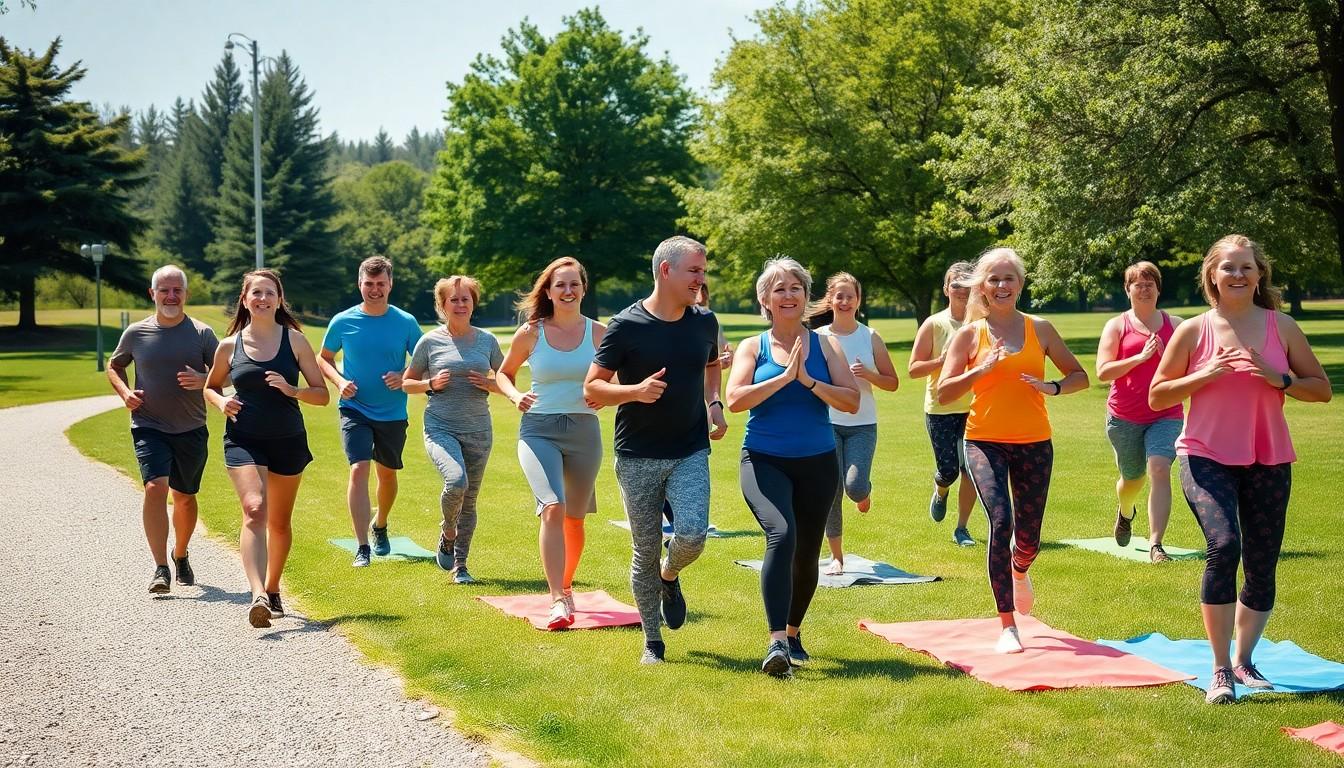
In a world where binge-watching your favorite series can feel like a competitive sport, the Journal of Physical Activity and Health swoops in like a superhero. This publication isn’t just about sweating it out at the gym; it dives into the science behind how staying active can transform lives. From reducing stress to boosting mood, it’s like a pep talk for your body and mind wrapped in scholarly goodness.
Overview of the Journal of Physical Activity and Health
The Journal of Physical Activity and Health serves as a key platform for research in the field of physical activity and its health impacts. Established in 2004, this peer-reviewed journal features a variety of studies focusing on the relationship between physical activity and overall health. Articles published within its pages cover diverse topics, including exercise psychology, epidemiology, and community health promotion.
Innovative research methodologies characterize the studies presented in the journal. Each issue includes original research articles, systematic reviews, and clinical trials that contribute to the understanding of how physical activity enhances well-being. Notably, the journal places a strong emphasis on mental health outcomes associated with regular physical activity.
Additionally, the Journal of Physical Activity and Health is indexed in major databases, ensuring wide visibility and accessibility for researchers and practitioners alike. Its readership includes health professionals, educators, and policy-makers interested in the latest findings related to physical activity.
Evidence from published studies illustrates the journal’s commitment to promoting health through active living. Key findings often highlight the physical, mental, and social benefits of engagement in various forms of exercise, underscoring the importance of integrating physical activity into daily life.
Scholars and practitioners benefit from the insightful analysis and practical implications offered in the journal. Each article encourages a deeper understanding of how structured physical activity programs can positively influence population health. By disseminating high-quality research, the Journal of Physical Activity and Health plays a critical role in advancing the field and promoting active lifestyles globally.
Scope and Focus Areas

The Journal of Physical Activity and Health aims to explore the multifaceted benefits of physical activity on health and well-being. Its content encompasses a wide range of topics relevant to both research and practical applications.
Research Topics Covered
Research topics within the journal span exercise psychology, health behavior, and policy implications. Studies often focus on physical activity’s impact on mental health, chronic diseases, and community health initiatives. The journal publishes original research articles, systematic reviews, and clinical trials, showcasing innovative methodologies. Investigations into the social determinants of health and interventions designed to promote active living further enrich the discourse. Each article contributes valuable insights into the latest findings, establishing a foundation for future exploration and application.
Key Categories of Physical Activity
Key categories of physical activity featured in the journal include aerobic exercise, strength training, and recreational activities. Aerobic activities highlight the cardiovascular benefits of maintaining an active lifestyle, while strength training emphasizes its role in enhancing muscle function and bone health. Recreational activities promote social interaction, reducing stress and improving the overall quality of life. Each category demonstrates its unique contributions to physical and mental health, underscoring the comprehensive impact of incorporating diverse forms of exercise into daily routines.
Impact Factor and Reputation
The Journal of Physical Activity and Health possesses a notable impact factor, currently standing at 3.485, which reflects its influence within the field. This metric indicates the journal’s authority and the frequency at which its articles are cited in other scholarly works.
Indexed in prominent databases such as PubMed and Scopus, the journal reaches a diverse audience, including researchers, clinicians, and public health professionals. Its reputation stems from a rigorous peer-review process, ensuring high-quality research enriches the discourse on physical activity and health.
The journal maintains strong credibility due to its focus on innovative research methodologies. It features original research articles, systematic reviews, and clinical trials, contributing to a deeper understanding of exercise’s role in promoting mental and physical health. It often highlights the intersection of physical activity research with public health policy, making it relevant for policymakers as well.
Authors often recognize the journal as a respected venue for disseminating their findings. It showcases studies that explore diverse aspects of physical activity, from exercise psychology to community health initiatives. This broad scope further solidifies its reputation as a comprehensive resource in the health and fitness sectors.
Readers consistently acknowledge the critical role the journal plays in advancing knowledge. It promotes the integration of physical activity into daily life, thus supporting healthier lifestyles. The Journal of Physical Activity and Health stands out as a vital platform for research that informs practices and policies aimed at enhancing community health worldwide.
Editorial Board and Peer Review Process
The editorial board of the Journal of Physical Activity and Health consists of leading experts in physical activity, health promotion, and related fields. Their diverse backgrounds ensure a thorough review of submitted manuscripts, enhancing the journal’s academic integrity. Each board member brings expertise from various disciplines, which enriches the peer review process.
Manuscripts undergo rigorous peer review, ensuring only high-quality research gets published. This peer review process involves assessments from at least two independent experts who evaluate the originality, methodology, and significance of each study. Feedback focuses on clarity, reliability, and relevance, enhancing the research’s overall quality before publication.
Additionally, timely reviews contribute to the journal’s efficiency. Typically, reviewers must complete their evaluations within a predefined timeframe, allowing for swift communication with authors. Authors receive constructive feedback, enabling them to improve their work or address any identified issues before resubmission.
The editorial team follows strict ethical guidelines, prioritizing transparency and fairness in the review process. Conflicts of interest are declared, ensuring unbiased evaluations. This commitment enhances the journal’s credibility and fosters trust among its readership.
The journal’s impact factor of 3.485 reflects the significance of this peer review process contributing to the quality of published research. Indexed in prominent databases such as PubMed and Scopus, it reaches a broad audience of professionals. Consequently, the rigorous standards maintained by the editorial board and peer reviewers solidify the journal’s position as a vital resource in the field of physical activity and health.
Recent Articles and Contributions
The Journal of Physical Activity and Health publishes a variety of articles that focus on the interplay between physical activity and overall health. Studies highlight the benefits of physical activities, such as aerobic exercise and strength training, on mental well-being and chronic disease management. Recent contributions include comprehensive analyses of community health initiatives aimed at increasing public engagement in physical activities.
Innovative research methodologies mark the journal’s commitment to advancing the field. Systematic reviews offer insights into exercise psychology and policy implications, providing a broader context for understanding physical activity’s role in daily life. Investigations assess the impact of recreational activities on social interactions and mental health outcomes, demonstrating the diverse benefits of being active.
Special issues feature expert perspectives on emerging trends in health behavior, policy, and community outreach. Articles also emphasize the importance of incorporating physical activity into educational programs and public health strategies, highlighting effective interventions.
A recent study found that consistent physical activity significantly reduces anxiety and depression levels, underscoring its mental health benefits. Evidence from clinical trials supports recommendations for integrating various forms of exercise into treatment plans for chronic illnesses.
The journal’s robust editorial board, consisting of leading figures in health promotion, ensures rigorous peer reviews and maintains high research standards. Its notable impact factor of 3.485 reflects the quality and relevance of published work, solidifying its position as a trusted resource for researchers, clinicians, and public health professionals.
Future Directions in Research
Emerging trends in physical activity and health research underscore the necessity for continued exploration in various underrepresented areas. The integration of innovative methodologies can advance exercise psychology research, particularly in understanding motivation and barriers to physical activity. Researchers might also focus on longitudinal studies to capture the long-term benefits of consistent exercise participation.
Exploring diverse populations can provide insights into how different demographics experience the benefits of physical activity. Focus can shift toward cultural factors that influence health behaviors, especially in communities with lower engagement levels. Investigations into the role of technology in promoting physical activity present another opportunity, especially as digital platforms continue to evolve.
Examining policy implications is also vital. How governmental initiatives can better support community health through active living deserves attention. Research that evaluates the effectiveness of existing programs can inform future policy design, ensuring strategies align with public needs.
Mental health remains a critical aspect. Studies on the specific effects of varied types of exercise—beyond traditional aerobic and strength training—can enrich understanding of social interactions and community dynamics. The Journal’s emphasis on systematic reviews serves as a foundation for identifying gaps, paving the way for new inquiries.
The role of recreational activities in promoting overall well-being invites innovative exploration. Future inquiries might examine the psychological benefits of emerging trends, such as outdoor fitness and social sports, emphasizing their contributions to mental health. As the landscape of health promotion evolves, ongoing research commitment is essential to advance public health initiatives effectively.
The Journal of Physical Activity and Health stands as a pivotal resource in the realm of health research. Its focus on the multifaceted benefits of physical activity extends beyond traditional exercise paradigms, emphasizing mental well-being alongside physical health. By fostering innovative research and rigorous peer review, the journal ensures the dissemination of high-quality studies that inform health practices and policies.
As the field continues to evolve, the journal’s commitment to exploring diverse topics will undoubtedly contribute to a deeper understanding of how physical activity influences overall health. This ongoing exploration not only enriches academic discourse but also empowers individuals and communities to embrace active lifestyles for improved health outcomes.