

In a world where health can feel like a game of dodgeball, community health centers emerge as the ultimate safety net. They’re not just places to get a flu shot or a check-up; they’re the unsung heroes of preventive and primary care. Picture a friendly neighborhood hub where everyone knows your name, and your health is the top priority.
Overview of Community Health Centers
Community health centers serve as pivotal access points for healthcare services. These centers cater to diverse populations, ensuring everyone receives comprehensive care regardless of their ability to pay. By focusing on preventive and primary care, they address health issues before they become serious, reducing emergency room visits and promoting overall wellness.
Services at community health centers include routine check-ups, immunizations, and screenings for chronic conditions. They also offer education on nutrition and healthy living, empowering individuals to take charge of their health. With a commitment to accessibility, many centers provide extended hours and offer services in multiple languages, accommodating various community needs.
Community health centers contribute significantly to reducing health disparities. By bringing healthcare services into underserved areas, they ensure that vulnerable populations receive the attention and treatment they deserve. Many centers engage in outreach programs, connecting with the community to raise awareness about available services and preventive care measures.
Financially, these centers operate on a sliding fee scale based on income. This model enhances affordability, making vital health services available to low-income families. Additionally, many community health centers form partnerships with local organizations to expand their reach and impact, facilitating comprehensive care that includes mental health services and substance abuse support.
Ultimately, community health centers stand as cornerstones of public health. They prioritize the well-being of their communities while fostering environments that enhance health literacy. By blending accessibility, affordability, and comprehensive services, they play a crucial role in the healthcare landscape.
Purpose of Community Health Centers
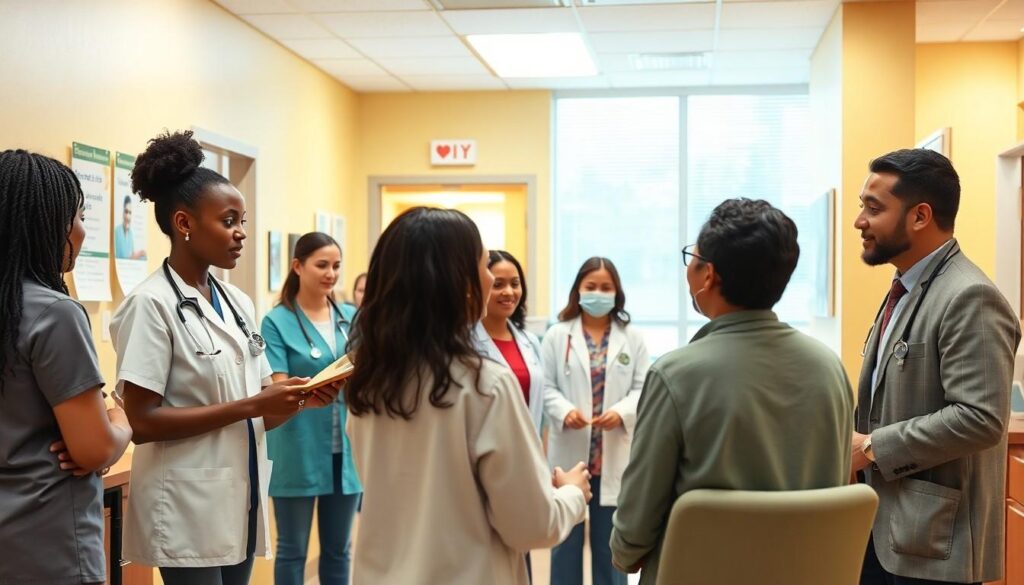
Community health centers play a crucial role in delivering preventive and primary care services to diverse populations.
Preventive Care Services
Preventive care services at community health centers focus on keeping individuals healthy and preventing disease onset. Routine check-ups, immunizations, and health screenings for chronic conditions are standard offerings. These services help identify health issues early, allowing for timely interventions. Health education programs promote nutrition and healthy living, empowering community members to make informed decisions. Additionally, outreach initiatives raise awareness about available preventive services, reaching underserved populations effectively. By addressing health disparities, these centers encourage regular health maintenance, thereby reducing future healthcare costs associated with untreated conditions.
Primary Care Services
Primary care services provided by community health centers ensure accessible healthcare for individuals regardless of their financial circumstances. These centers offer comprehensive medical care, including diagnosis and management of acute and chronic illnesses. Patients benefit from personalized care plans tailored to their unique needs, fostering a strong patient-provider relationship. Many community health centers incorporate mental health and substance abuse services, thereby addressing the holistic health needs of the community. By integrating various health services into one location, they simplify access to care, making it easier for individuals to seek help when necessary. This model enhances overall community health and supports better long-term outcomes.
Benefits of Community Health Centers
Community health centers provide essential services that enhance the health and well-being of local populations. They play a crucial role in preventive and primary care, ensuring community members can access necessary health resources.
Accessibility to Care
Accessibility defines the impact of community health centers. These centers strategically locate in underserved areas, reducing barriers to healthcare. They maintain flexible hours tailored to their communities, accommodating various schedules. Additionally, community health centers often offer services without making patients navigate complex systems, simplifying the healthcare experience. Staffing reflects the community’s diversity, ensuring culturally competent care. Such accessibility fosters strong relationships, helping to build trust and encouraging regular visits.
Affordability and Cost-Effectiveness
Affordability remains a cornerstone of community health centers. They operate on a sliding fee scale based on income, making services accessible to low-income families. Many individuals benefit from comprehensive care without the burden of high costs. These centers not only save money on emergency interventions, but also focus on preventive care that addresses health issues before they escalate. Investing in primary care proves to be cost-effective, as early detection of health conditions leads to better outcomes and reduced healthcare costs over time. Community health centers exemplify how comprehensive care can be both affordable and effective, benefiting the entire community.
Challenges Faced by Community Health Centers
Community health centers encounter several challenges that can hinder their ability to provide vital services. Addressing these issues is essential for maintaining their effectiveness within the healthcare system.
Funding Issues
Funding issues pose significant obstacles for community health centers. These centers rely on multiple funding sources, including federal grants and state allocations. Fluctuations in these resources can adversely affect service delivery. Many operate on tight budgets, making it challenging to expand services or hire additional staff. Revenue from sliding fee scales often fluctuates based on patient income, leading to financial uncertainty. Without stable funding, centers struggle to meet the growing demand for services, limiting care availability in underserved communities.
Workforce Shortages
Workforce shortages present another challenge for community health centers. Many centers face difficulties in recruiting and retaining qualified healthcare professionals. Limited funding results in lower salaries compared to other healthcare settings. High workloads and demanding schedules can lead to burnout among existing staff. Each of these factors contributes to a lack of personnel, impacting service delivery and patient care. A well-staffed center can provide comprehensive care, emphasizing the need for strategies to attract and retain healthcare talent.
Community health centers play an indispensable role in enhancing public health through accessible preventive and primary care services. By addressing health needs in underserved areas they ensure that individuals receive the care they need without financial burden. Their focus on prevention not only improves health outcomes but also reduces the strain on emergency services.
Despite facing challenges like funding and workforce shortages these centers continue to adapt and serve their communities effectively. Their commitment to culturally competent care fosters trust and engagement among diverse populations. As vital components of the healthcare landscape community health centers demonstrate how comprehensive care can be both affordable and impactful, ultimately benefiting the entire community.